Air contracts when it gets cold, so a tire that was fine in October trips the sensor in November. Here is when that light is physics and when it is a real leak.
The first genuinely cold morning in Columbus lights up TPMS warnings all over the city. By lunchtime a lot of them have gone out on their own, and people learn to ignore the light.
That is a reasonable conclusion drawn from a real pattern, and it is also how slow leaks go unnoticed for months.
The physics, briefly
Air pressure falls as temperature falls. The working number is roughly 1 PSI for every 10°F.
Ohio can easily drop 30 degrees between a mild afternoon and a cold clear morning. That is 3 PSI off every tire, without a single molecule escaping. A tire set to 33 PSI in October sits at 30 PSI on a 25°F morning.
Most TPMS systems warn at about 25% below the placard pressure. On a car specified at 35 PSI, that threshold is around 26 PSI. So a tire that was already a little low in autumn crosses the line on the first cold snap, and a tire that was set correctly usually does not.
Then you drive. The tires warm up, gain back 3–5 PSI, and the light goes out. Nothing was fixed. It just got warm.
Telling physics apart from a leak
It is temperature if all four tires dropped by a similar amount, the light appears on cold mornings and clears after driving, and it started when the weather turned.
It is a leak if one tire is consistently lower than the other three, you are topping up the same tire more than about once a month, or the light now stays on after the car has warmed up.
The test is a gauge, not the dashboard. Check all four cold — before driving anywhere, not after — and write the numbers down. One tire that is 6 PSI below its neighbours has a leak, whatever the weather is doing.
Where slow leaks actually come from
A nail is the obvious one, and often the least likely.
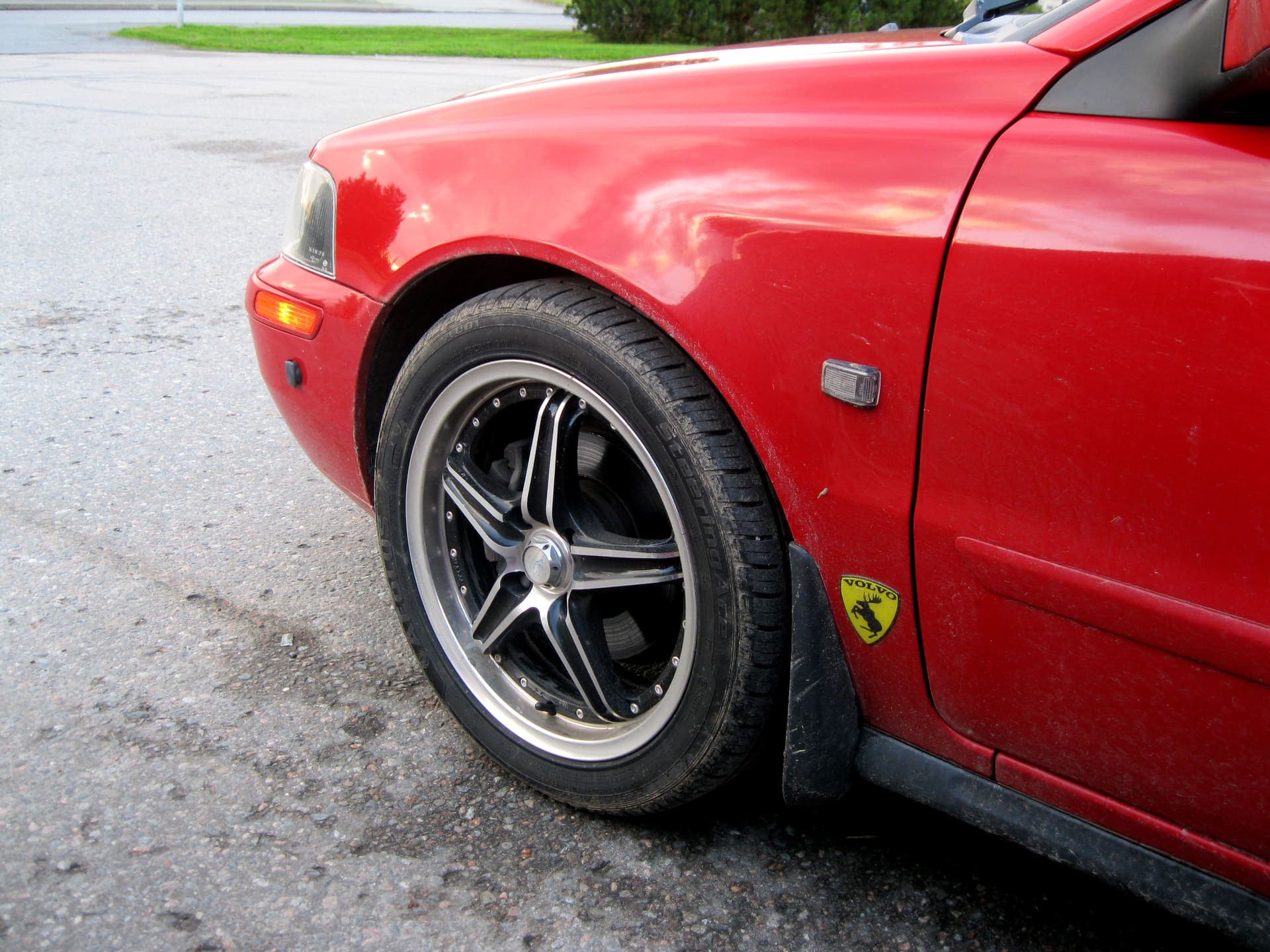
Corroded alloy wheels. By far the most common slow leak we see on Ohio cars. Salt attacks the bead seat where the tire seals against the rim, and air escapes through the corrosion. The fix is dismounting the tire, cleaning the bead seat and resealing.
The valve stem. Rubber stems perish, and metal TPMS stems have a rubber grommet and an aluminium body that corrodes where salt gets to it. Cheap to replace, and worth doing with any new tire.
The bead itself, if the tire was ever mounted with dirt or corrosion left on the rim.
A slow puncture that has sealed itself well enough to hold for a week at a time.
Why the placard, not the sidewall
The number on the tire sidewall is the tire's maximum cold pressure. It is not a recommendation and it has nothing to do with your car.
The number you want is on the sticker in the driver's door jamb. That is the pressure the manufacturer determined for your vehicle's weight and suspension, and it is the number the TPMS thresholds are calculated from.
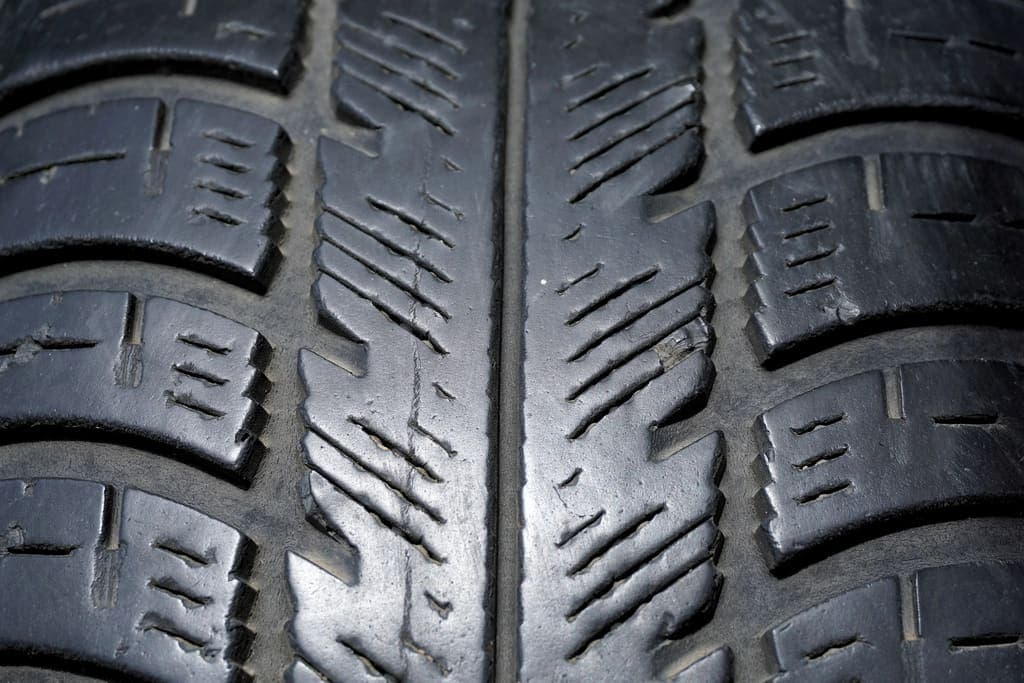
Inflating to the sidewall maximum gives you a hard ride, a crowned tread that wears out down the middle, and noticeably less grip in the wet.
Practical habits for winter
- Check pressures cold, monthly, October through March
- Set to the door placard exactly, not a couple of PSI over "for winter" — that is not a thing
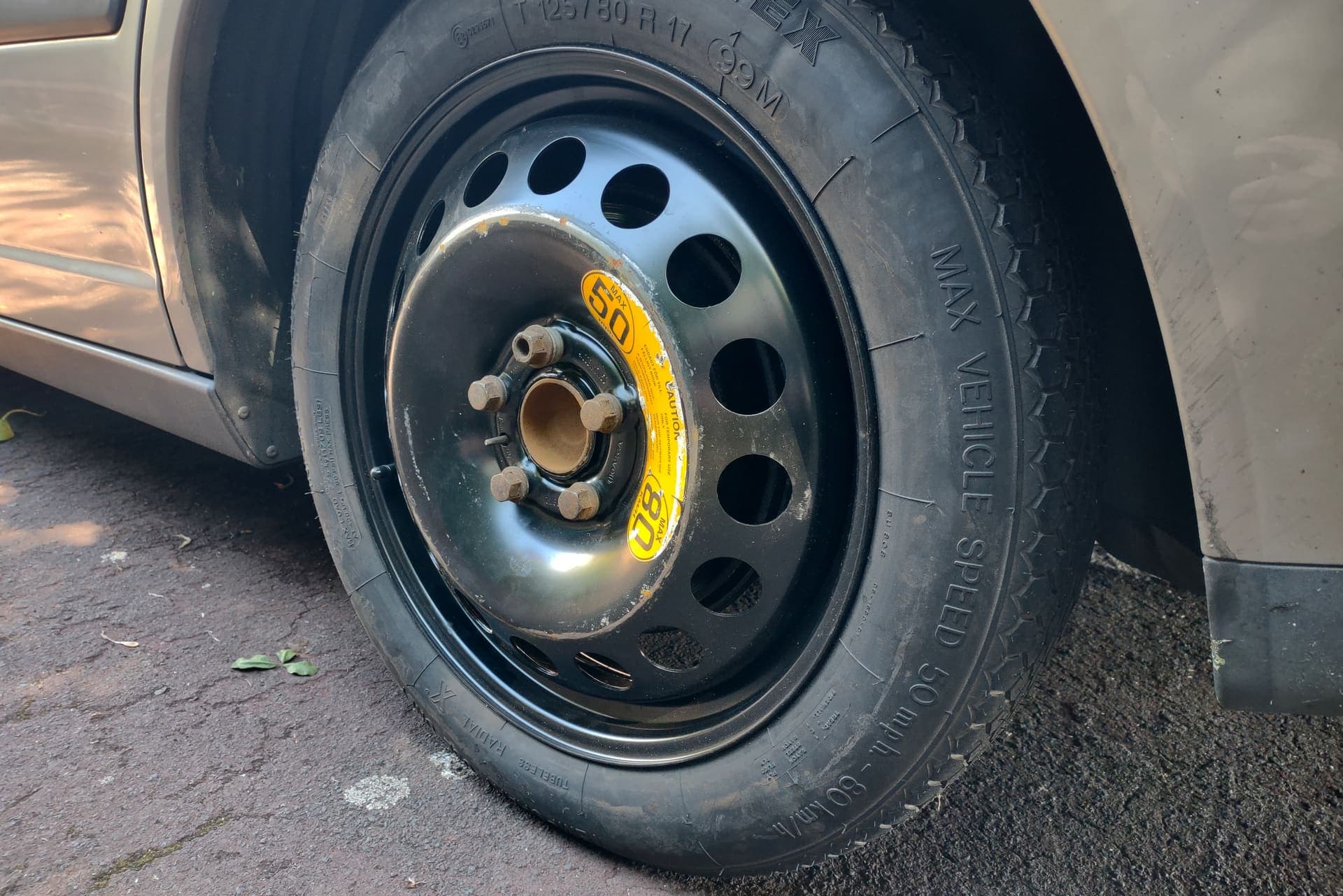
- Do the spare too, especially if it lives under the car where you cannot see it
- If you top the same tire twice in a month, stop topping it up and get it looked at
When the light means something else
A TPMS light that flashes for a minute at startup and then stays solid is not reporting low pressure. It is reporting a fault in the system itself — usually a dead sensor battery.
TPMS sensors have sealed batteries lasting roughly 5–10 years. When one dies it cannot be replaced on its own; the sensor gets replaced. It is also common to lose one after a tire change if the sensor was damaged during mounting, or after fitting a set of wheels whose sensors were never programmed to the car.
Either way, a flashing-then-solid light means the system cannot see all four tires, so it is no longer watching for a real leak.
If you are chasing the same tire every couple of weeks, bring it in. We will pull the wheel, find whether it is the bead, the stem or something in the tread, and fix the leak properly rather than selling you air.
Filed under Tires & Wheels
+ Book an Appointment