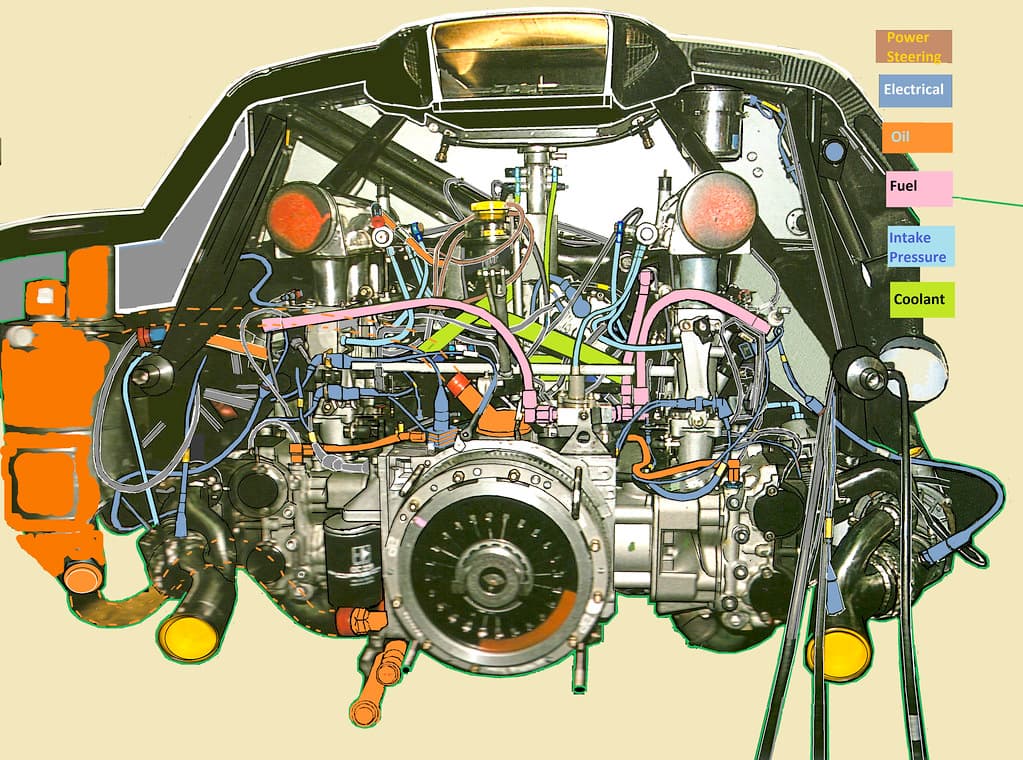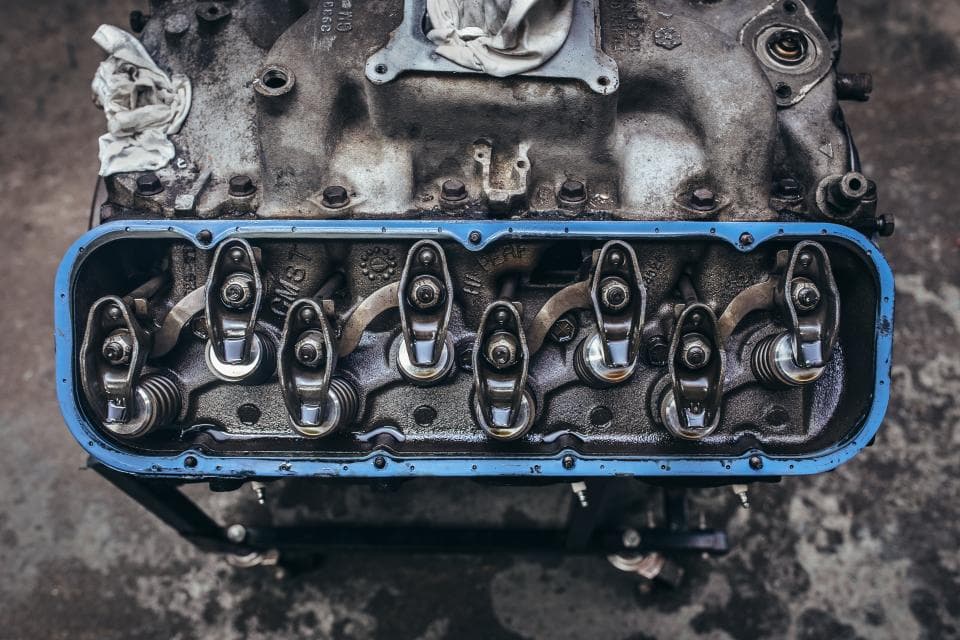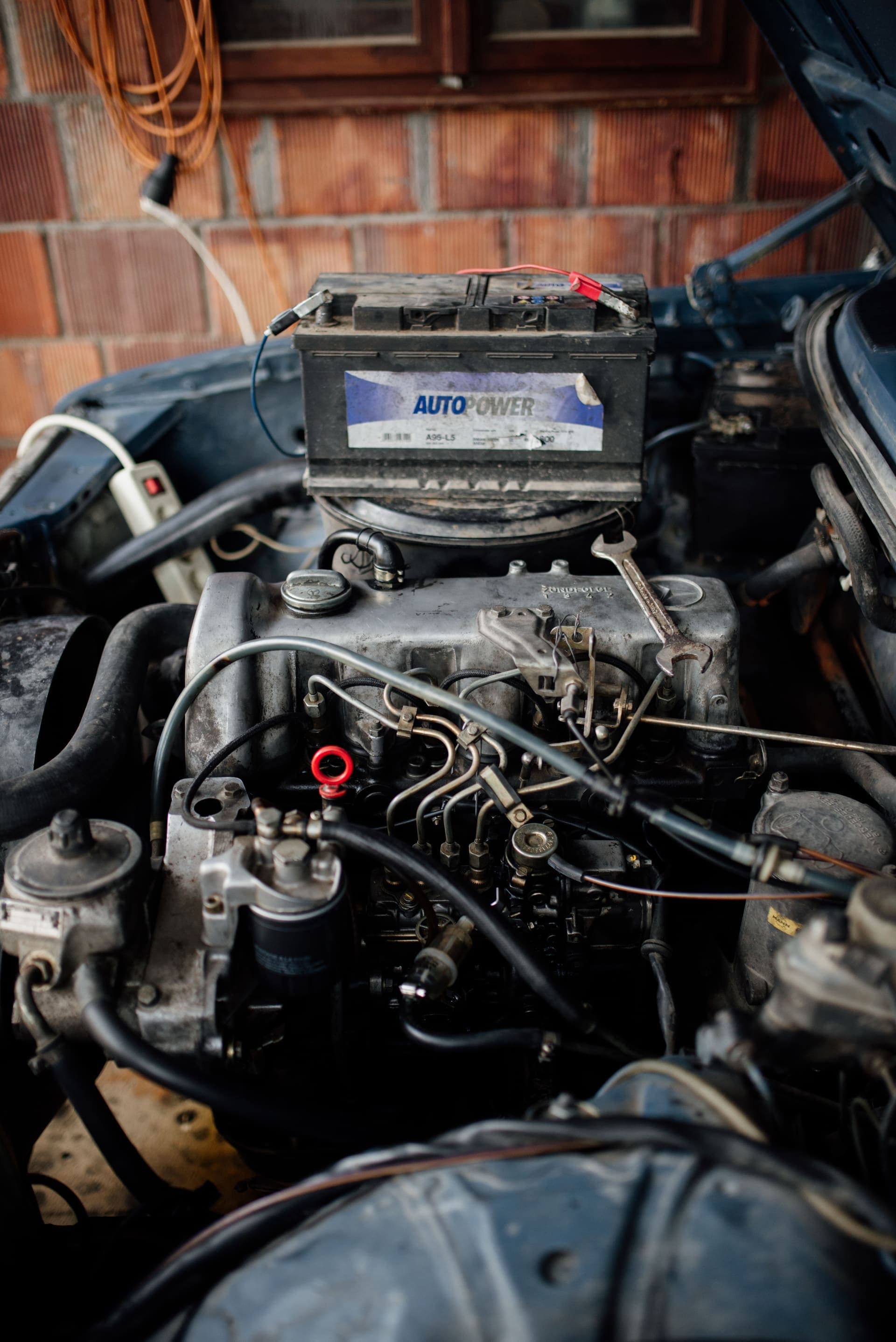
A timing belt is a scheduled replacement with a mileage on it. Miss it on an interference engine and the repair bill stops being about a belt. Here is how to find out which you have.
This is the one maintenance item where skipping it does not mean a gradual decline. It means the engine stops, at speed, and possibly destroys itself in the same second.
It is also one of the few where the correct answer for your car might be "you have nothing to do."
What it does
The crankshaft turns as the pistons go up and down. The camshaft opens and closes the valves. Those two have to stay in exact synchronisation — valves opening at precisely the right moment relative to piston position — and the timing belt or chain is what keeps them locked together.
Lose that synchronisation and the engine stops immediately. What happens next depends entirely on engine design.
Interference or non-interference
In an interference engine, the valves and pistons occupy the same space at different moments in the cycle. When timing is lost, they occupy it at the same moment. Valves bend, pistons get damaged, and the cylinder head usually comes off. This is a repair measured in thousands, and it is frequently more than the car is worth.
In a non-interference engine, there is enough clearance that they never collide. The engine stops, you get towed, a belt goes on, and you drive away. Expensive inconvenience, no catastrophe.
Most modern engines are interference designs, because the tighter clearances give better compression and efficiency. Assume yours is unless you have confirmed otherwise.
Which do you have, belt or chain?
The quickest answer is the maintenance schedule in your owner's manual. If there is a timing belt replacement interval listed, you have a belt. If timing is not mentioned at all, you almost certainly have a chain.
The rough pattern:
- Belts are common on many four-cylinder engines, particularly from the 1980s through the 2000s, and still used by some manufacturers today
- Chains dominate in modern engines and have always been usual on larger V6 and V8 designs
- A timing cover on the front of the engine made of thin plastic often hides a belt; a heavy metal cover usually means a chain
If you are unsure, ask us and we will tell you in about a minute from the engine code.
The belt interval is real
Typical replacement intervals run 60,000 to 105,000 miles, or 7 to 10 years, whichever arrives first.
The time limit matters as much as the mileage. Rubber degrades sitting still. A low-mileage car ten years old is due regardless of the odometer, and a belt that has been baking under a hood through ten Ohio summers is not the belt that went on at the factory.
A timing belt gives almost no warning before it fails. There is no noise, no light, no gradual decline. It is fine and then it is in pieces. This is why the interval exists — it is a replace-before-failure item, not a replace-when-it-breaks one.
Do the whole job while it is open
Most of the cost of a timing belt is labour getting to it. The parts are comparatively cheap. Doing it in stages means paying that labour twice.
A proper timing belt service includes:
- The belt itself
- Tensioner and idler pulleys — these have bearings that fail, and a seized idler shreds a new belt
- The water pump, if it is driven by the timing belt, which it very often is. It is right there, it has a similar service life, and replacing it later means doing the entire job again
- Cam and crank seals, if they show any sign of weeping
- The accessory drive belt, since it has to come off anyway
Any shop quoting a belt alone on an engine with a belt-driven water pump is setting you up for a repeat visit.
Chains are not maintenance-free
They usually last the life of the engine, but "usually" is not "always", and chains have their own failure mode.
A chain runs on plastic guides and is kept tight by a hydraulic tensioner fed with engine oil. The guides wear and the tensioner depends on oil pressure and clean oil. Skipped oil changes are the single biggest cause of premature chain problems, because sludge starves the tensioner.
The warning sign is a rattle from the front of the engine on cold startup, lasting a few seconds until oil pressure builds. That is worth investigating rather than living with. Some engines are known for stretched chains at higher mileage, and a stretched chain will eventually set a camshaft correlation code.
What to do this week
Find out whether you have a belt or a chain, and if it is a belt, find the interval and compare it to your mileage and the car's age.
If you bought the car used and have no service records, assume it has not been done. A belt replaced at the correct interval is a planned expense. A belt that lets go on an interference engine is often the end of the car.
We can tell you which you have and whether yours is due, and if it is, we quote the whole job including the pump and pulleys rather than the belt alone. That is not padding. It is the only version of the repair that makes sense.
Filed under Engine Care
+ Book an Appointment