Columbus winters are hard on batteries, tires and anything made of rubber. A short checklist for the things that actually strand people in January.
Central Ohio does not get the coldest winters in the country, but it gets the worst combination: repeated freeze-thaw cycles, heavy road salt, and enough sub-twenty mornings to expose anything marginal.
Most winter breakdowns are not exotic. They are five components that were already weak in October.
1. The battery
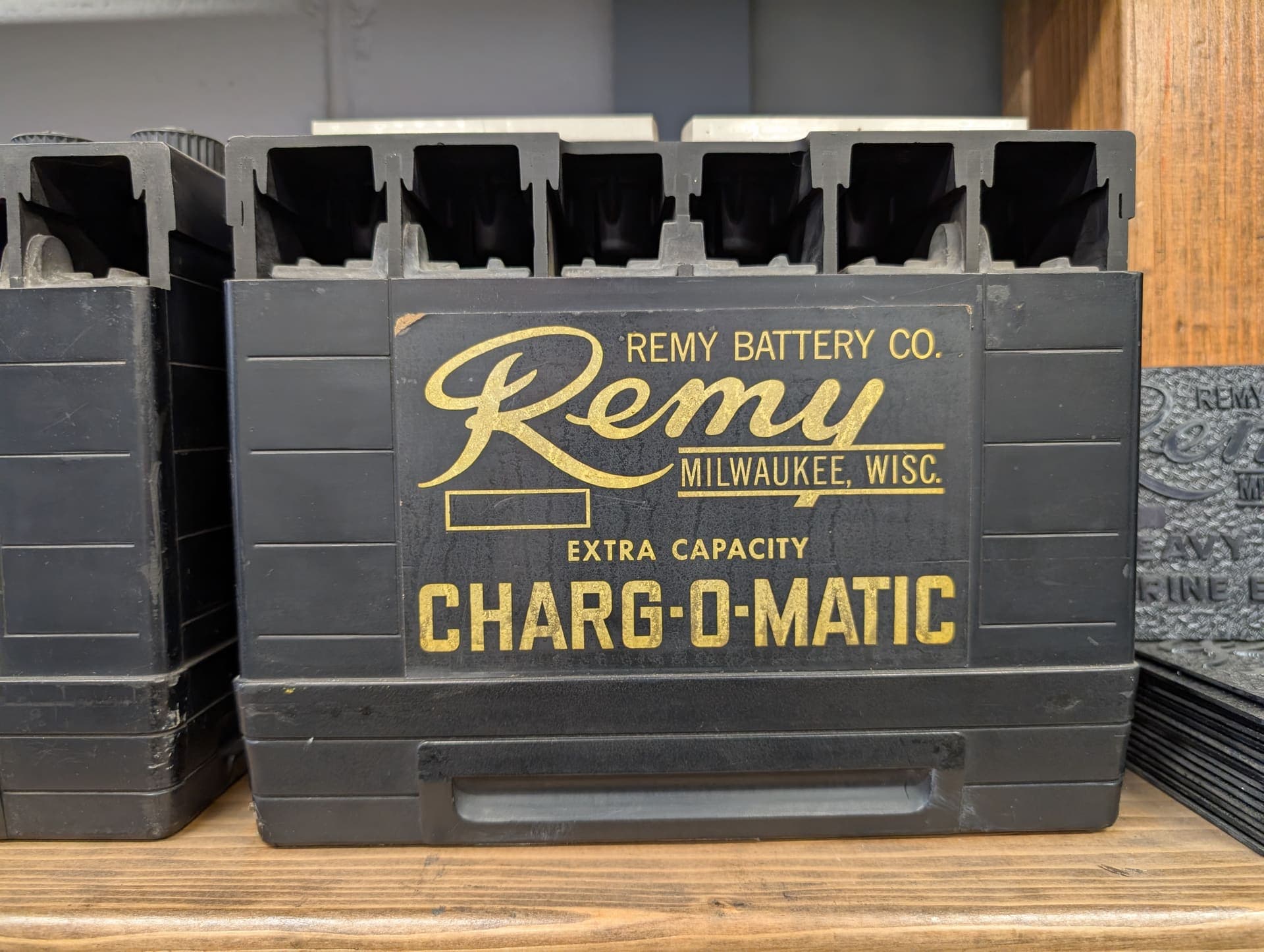
Cold is where batteries die, but heat is what kills them. A battery that survived a hot Ohio summer often has months, not years, left in it.
At 0°F a battery delivers roughly half its rated cranking amps, while the engine needs about twice the current to turn over cold oil. That is the squeeze.
Have it load-tested — not just voltage-checked — before the first freeze. A battery can read 12.5 volts sitting still and still fail under load. Most batteries last three to five years here; if yours is past four, test it annually.
Also clean the terminals. Corrosion adds resistance exactly when you have none to spare.
2. Tires
All-season tires harden as temperatures drop. Below about 45°F the rubber compound in a true winter tire stays pliable while an all-season stiffens and loses grip — even on dry pavement.
You do not necessarily need dedicated snow tires in Columbus, but you do need adequate tread. Below 4/32" your wet and slush braking gets dramatically worse.
And check pressures more often: tires lose roughly 1 PSI for every 10°F drop. A tire set correctly in September is measurably low by December.
3. Coolant
Coolant does two jobs and the second one only matters now: it stops the block from freezing and cracking. A cheap refractometer test tells you the freeze point in seconds.
While we are in there we check the condition, not just the level. Old coolant turns acidic and eats water pump seals, heater cores and radiator end tanks.
4. Wipers, washer fluid and lighting
Wiper blades that streak in October are useless against road salt spray in January. They are a ten-minute job.
Use winter-rated washer fluid rated to at least -20°F. Summer fluid freezes in the lines and can crack the reservoir and pump.
Sunset before 5:30pm means your lights matter. Check every bulb including brake and reverse lights — most people never see their own.
5. Belts, hoses and anything rubber
Rubber gets brittle in cold. A serpentine belt with small cracks in November is a belt that snaps on the coldest morning of the year, taking your alternator and water pump drive with it.
Squeeze the upper radiator hose when the engine is cold. It should feel firm and springy, not mushy or crunchy.
Salt is the long game
Ohio road salt does more cumulative damage than any single winter event. Brake lines, fuel lines, exhaust hangers and subframes all rot from below.
Wash the underbody when temperatures get above freezing — most touchless washes offer an undercarriage rinse and it is worth the extra dollar every time.
A winter kit worth keeping
- Jumper cables or a lithium jump pack
- Ice scraper and a stiff snow brush
- A blanket, gloves and a hat
- A flashlight with fresh batteries
- Small bag of cat litter or sand for traction
- Phone charger that works from the car
Do it in October, not December
Every shop in Columbus is buried the week after the first hard freeze. Book a seasonal inspection in the fall and you get an appointment, an unhurried look at the car, and time to spread any repairs out.
Filed under Maintenance
+ Book an Appointment